Oct 11, 2026Certification Guides
CB Scheme Certification Guide: How CB Certificates Support National Market Approvals
How the IECEE CB Scheme works: who issues CB certificates vs CB test reports, how they support national approvals, and what the scheme does not replace.

Manufacturers exporting electrical and electronic products face the same question in every new market: must the product be tested again? The IECEE CB Scheme exists to keep that answer as small as possible. It is an international arrangement for exchanging and accepting product safety test results among participating certification bodies, so a product tested once against an IEC standard can support approvals in many economies. This guide explains the mechanics, who issues what, and where national approval begins.
What the IECEE CB Scheme Is
The scheme is operated by the IECEE, the IEC System of Conformity Assessment Schemes for Electrotechnical Equipment and Components, and was established in 1985 out of earlier European mutual-recognition arrangements. "CB" originally stands for certification body. More than fifty economies take part, and CB documentation is also used beyond the formal membership.
It covers electrical and electronic products, equipment and components across many categories — information technology and audio/video equipment, appliances, lighting, batteries, medical electrical equipment among them — under specific IEC standards. It is not a single global certificate or a product mark; its currency is the test report and the certificate built on it.
Who Issues What: The NCB and the CBTL
Two organizations stand behind every CB certificate, and knowing which is which prevents confusion about deliverables.
A National Certification Body (NCB) is recognized in a member economy to issue CB certificates. A CB Testing Laboratory (CBTL) is recognized to perform the testing and issue the CB test report. The normal sequence runs as follows:
1. The applicant engages an NCB and a CBTL — sometimes through one organization providing both roles, or partner bodies.
2. The CBTL tests the product to the applicable IEC standard, applying the national differences of the destination markets.
3. The CBTL issues the CB test report to the NCB.
4. The NCB reviews the report and issues the CB certificate to the applicant, with the report.
Both roles are recognized within defined scopes — the standards and categories each body is assessed for. A CB certificate carries weight where the destination's national body recognizes the issuing NCB and the standard concerned.
How Manufacturers Use a CB Certificate for National Approvals
In a participating economy, the national certification body can accept a CB test report and certificate as the basis for its own approval work, reducing or removing repeat testing. Some bodies act as "recognizing" NCBs: they do not test, but issue their national certificate, permit or registration on the strength of the CB documentation. Several markets tie customs clearance to such programs, so the CB file can become the backbone of a market-access plan.
In practice, manufacturers identify destinations first and design one CB program covering the applicable standards and national differences, which then feeds several national applications.
What the CB Scheme Does Not Replace
A CB certificate is conformity evidence, not a market approval. It does not put an approval mark on the product, and in most markets it does not by itself clear customs. The remaining steps are national:
National certification or registration. Where a country requires its own certificate, permit or registration before sale, a local application is still necessary — even when the CB file makes it straightforward.
National differences. IEC standards are not applied identically everywhere; where differences were not addressed during testing, the destination body may request additional evaluation.
Marking and local duties. Marks, label content, language requirements and, in some markets, a local representative are national matters.
Other regulatory areas. The scheme centers on product safety standards; radio, EMC and energy efficiency requirements follow their own routes.
For the European Union, safety test results can form part of the evidence behind CE marking, while the declaration of conformity and the marking remain the manufacturer's duties.
Typical Steps in a CB Project
1. Scope review. The laboratory and NCB confirm the applicable standard and edition, the national differences to include, and the model range; your specification and target markets drive this.
2. Application. Samples and documentation accompany the application.
3. Testing. The CBTL tests to the IEC standard plus the applicable national differences; this is a conformity assessment, not a pass guarantee.
4. Report. The CBTL issues the CB test report to the NCB.
5. Certificate. The NCB reviews the report and issues the CB certificate to the applicant.
6. National follow-up. The certificate and report are submitted in each market for registration, national certification or marking as required.
What to Prepare
Product specification with model list, ratings, intended markets and the applicable IEC standard — or enough information for the laboratory to confirm it; agreed before testing starts.
Circuit diagrams, component lists, certificates for critical components, labels and manuals.
Samples matching the production design; the laboratory confirms exact sample requirements per project.
A clear view of model differences, so a family approach can be evaluated where the standard allows.
How LCS Supports CB Scheme Projects
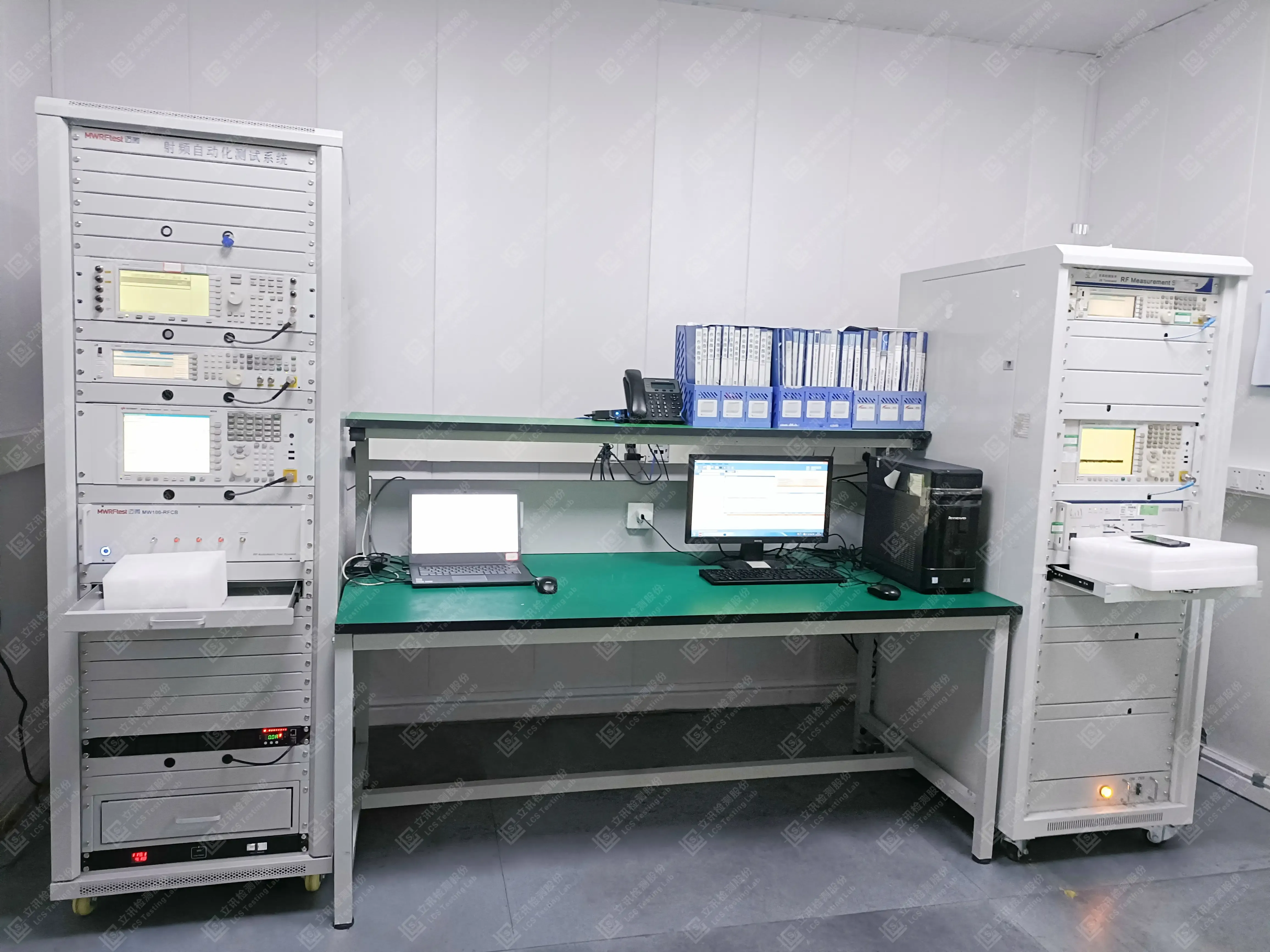
LCS is an IECEE CB Testing Laboratory (CBTL); CB certificates are issued by National Certification Bodies (NCBs). Within its recognized scope, LCS tests products, applies the relevant national differences, and issues the CB test report that the NCB reviews before issuing the certificate. Testing covers areas such as information technology and audio/video equipment under IEC 62368-1, and batteries under standards such as IEC 62133-2 and IEC 62619. The CB Scheme Certification service page on this site describes this coverage; send your product specification, applicable standards and target markets for a project proposal.
FAQ
Does LCS issue the CB certificate?
No. CB certificates are issued by the National Certification Body. As a CBTL, LCS performs the testing and issues the CB test report; the NCB issues the certificate. LCS supports the process from scope review to the documentation used in national approvals.
Is a CB certificate accepted in every country?
No single document is. The scheme provides a basis for acceptance among participating bodies, but the national body in each market decides how the CB documentation feeds its requirements. Some markets still require a national certificate, registration or permit.
What are national differences?
They are points where an economy's standard departs from the IEC text. They are declared within the scheme and applied during testing, so identifying destinations before testing helps avoid extra evaluation later.
Can one CB certificate cover several models?
Often a model family can be tested together where the standard and the model differences allow; the laboratory reviews the range and confirms how the family is defined.