Oct 1, 2026Certification Guides
FCC Certification Guide: How Electronics Get Approved for the US Market
What FCC approval involves for electronic products: equipment classes, Part 15 rules, SDoC vs Certification routes, testing and documentation, and labeling requirements.
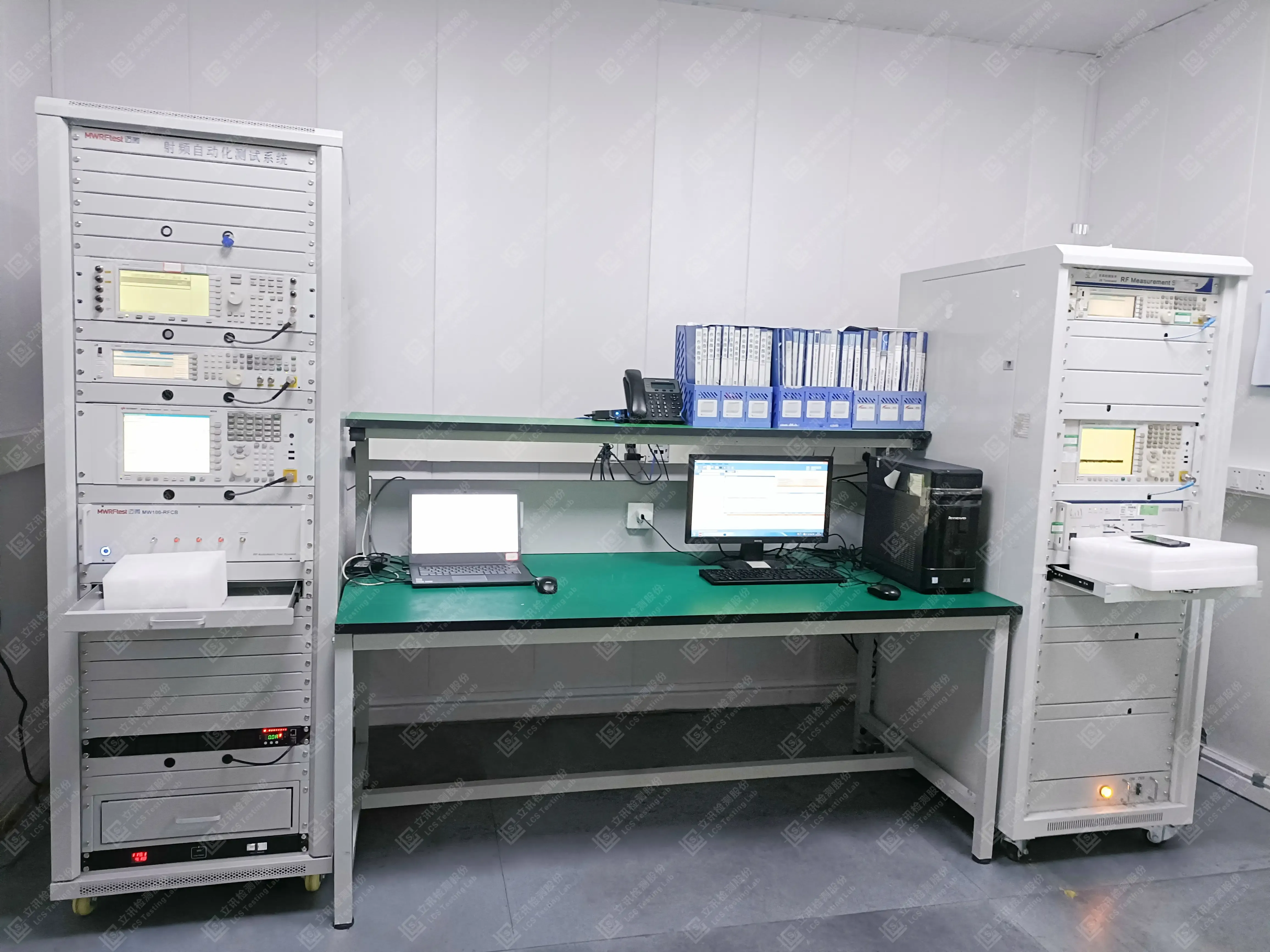
Any electronic product sold in the United States must comply with the rules of the Federal Communications Commission (FCC). This guide explains, in buyer language, how FCC approval works, which route your product takes, and what you need to prepare before testing.
1. Does Your Product Need FCC Approval?
Almost every electronics product with a clock or timing signals above 9 kHz, the FCC's digital-device definition, radiates some radio-frequency energy, so most products fall under FCC Part 15. There are two broad families: unintentional radiators, such as power supplies, LED drivers and digital boards that do not communicate by radio; and intentional radiators, such as Bluetooth, Wi-Fi and other transmitters. A smart home device with both Wi-Fi and a digital core has to satisfy both families.
2. Two Approval Routes: SDoC and Certification
Unintentional radiators are usually approved through the Supplier's Declaration of Conformity (SDoC) route: the manufacturer tests against the applicable technical rules, prepares compliance documentation, and declares conformity. Intentional radiators go through Certification: an FCC-recognized Telecommunication Certification Body (TCB) reviews the test report and issues the equipment authorization grant, and the product receives an FCC ID. The right route depends on what your product does, not on how expensive it is.
3. What Gets Tested
Typical test items include conducted and radiated emissions, for digital circuits referenced to FCC Part 15 Subpart B limits, and for radio products the transmit power, bandwidth, unwanted emissions and radio spectrum matters of Subpart C or the relevant radio service rule part. Products with radio functions are tested in the modes and configurations they will ship in, which is why clear operating frequencies and firmware versions matter when you request a quotation.
4. Documents You Should Prepare
Prepare a product specification sheet, user manual drafts, block diagrams, operating frequencies and tuning data where applicable, and production-consistent samples. The user manual must carry the compliance statements required for your equipment class. Your test laboratory confirms the exact list for the route you take.
5. Labeling and the FCC ID
Products approved under SDoC carry a compliance statement in the manual and, where required, on the product. Devices certified through a TCB are labeled with the FCC ID, which links the product to its public grant data. Label artwork should be confirmed before mass production so no units ship with non-compliant marking.
6. How LCS Supports FCC Projects
LCS operates RF and EMC laboratories in Shenzhen and supports FCC projects from pre-scan and test planning through final reports, working with manufacturers across IoT, smart home, lighting and consumer electronics. Send your product specification and destination market through the contact page or the Request a Quote button, and our engineers will reply with a test proposal.