Oct 1, 2026Testing Standards
IEC 62133-2 Guide: Safety Testing for Lithium Batteries in Portable Applications
What IEC 62133-2 requires for lithium cells and batteries in portable applications, how cell and pack responsibilities split, and how the CB Scheme uses the standard.
IEC 62133-2 is the reference safety standard for secondary lithium cells and batteries used in portable applications, from power banks and laptops to portable medical and lighting devices. This guide explains what the standard covers, which tests matter for cells versus battery packs, and how certification schemes use it.
1. Scope: Cells and Batteries for Portable Use
The standard applies to rechargeable lithium cells and batteries intended for portable use. It is the lithium-systems counterpart to IEC 62133-1, which covers portable sealed secondary nickel cells and batteries such as NiCd and NiMH. The standard is written so that cell manufacturers and battery assemblers each carry defined responsibilities, and knowing where your responsibility starts and ends is the first step of a compliant project.
2. Intended Use and Foreseeable Misuse
The test program groups requirements into intended-use cases, such as charge and discharge at specified conditions, external short circuit and free fall, and foreseeable-misuse cases, such as overcharging of batteries, forced discharge, crush, mechanical shock and vibration. The point of the grouping is that a battery must behave predictably not only when everything goes right, but also when a realistic accident happens.
3. Cell Tests versus Battery Pack Tests
Cell-level tests qualify the electrochemical design, while battery pack tests qualify the mechanical and electrical integration: housing, wiring, protection circuits and markings. A pack built from an already certified cell still needs pack-level tests, and the documentation must trace which cell design type and revision the pack uses.
4. Certification Routes That Use 62133-2
IEC 62133-2 is widely referenced by end-product standards and by national schemes. Through the IECEE CB Scheme, a CB test report and certificate based on IEC 62133-2 can support national approvals in many destinations, reducing duplicate testing. End-product certification bodies then integrate the battery evidence into the complete device file.
5. How LCS Supports 62133-2 Projects
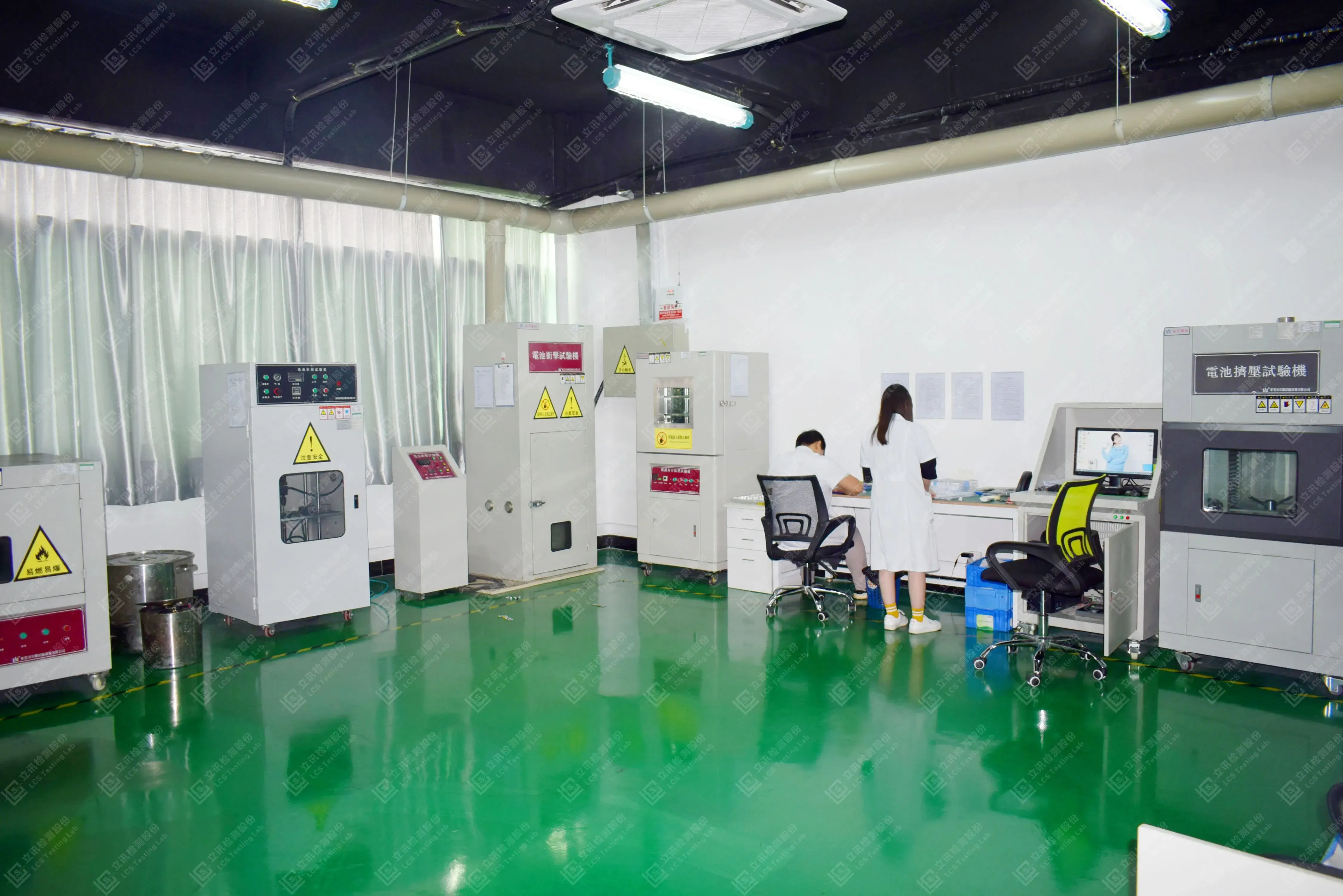
LCS tests lithium cells, packs and energy storage systems against IEC 62133-2 and related standards in its battery laboratory in Shenzhen, and supports CB Scheme documentation for destination markets. Send your cell and pack specifications through the contact page, and our engineers will reply with a test proposal.