Oct 11, 2026Testing Standards
Preparing LED Lighting Products for Compliance Testing: Scope, Documents and Samples
What determines the scope of LED lighting compliance testing, which documents and samples to prepare, and the typical path from inquiry to report.
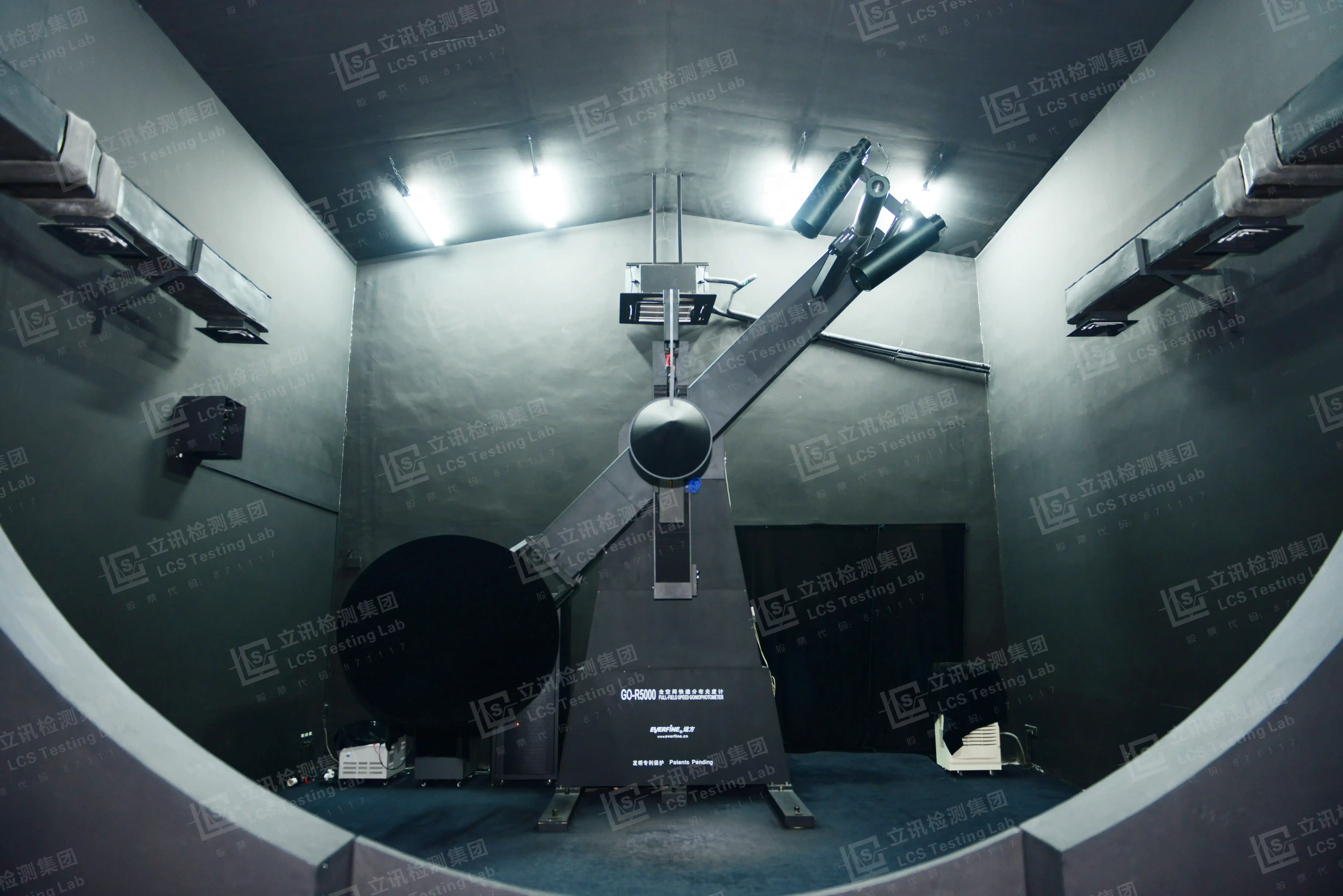
You have an LED luminaire, driver or lamp close to production, and the next step is compliance testing. Whether that step goes smoothly depends largely on two things: how the test scope is defined, and how well the submission is prepared. This guide explains what determines the scope, which documents and samples a lighting laboratory needs, and what most often delays lighting projects.
1. What Determines the Test Scope
Three factors shape a lighting test program: the product type, the destination market, and the compliance aspects that apply.
Product type. Lighting standards classify products by construction and function, and the classification decides which standard family applies. A complete luminaire falls under the IEC/EN 60598 series: Part 1 holds the general safety requirements and tests, while Part 2 sub-parts add particular requirements for specific product families, such as fixed general purpose luminaires. An LED driver or other control gear is assessed as control gear under the IEC/EN 61347 family. A self-ballasted LED lamp, meaning a lamp with integrated control gear, follows its own safety specification. These boundaries matter. A driver tested as a separate component is not automatically accepted as evidence for the luminaire that uses it, and a report covers the configuration that was tested and declared, not every version of the product. Confirming where a product sits is part of the laboratory's first review.
Destination market. The market decides which version of a standard applies and what additional requirements come with it. Products placed on the EU market are commonly assessed against the EN versions of these standards, such as EN 60598 for luminaire safety, EN 55015 for emissions from lighting equipment, and EN 62493 for human exposure to electromagnetic fields. Where a CB route is used, a CB test report can support national approvals in many destinations; the CB certificate is issued by a National Certification Body, not by the testing laboratory. Settling the market early helps avoid reworking the test list later.
Safety, EMC and other aspects. Lighting testing is a set of aspects rather than one event. Safety covers construction, wiring, insulation, thermal behavior and markings. EMC covers radio disturbance and, separately, immunity. Human exposure to electromagnetic fields is assessed under EN 62493, and photobiological safety, including blue light hazard, draws on the IEC 62471 family where it applies. Which items apply depends on the product type and destination market, and the final list is confirmed in the test proposal.
2. Documents to Prepare
A complete document package helps the review stage move faster. Prepare:
Product specification: description, the model numbers and variants to be covered in one report, electrical ratings, and intended use.
Driver and control gear details: manufacturer, model, input and output ratings, whether the gear is integrated or independent, and any existing test evidence. Missing driver information is a common reason a review stalls.
LED light source details: whether the source is integrated or replaceable, module information, and relevant electrical data.
Installation and mounting information, including whether the product can be supplied with alternative drivers or accessories, because worst-case configuration decisions depend on it.
User manual and rating label artwork: instructions and markings are part of the assessment, not paperwork around it.
The laboratory confirms which documents and details are required for your specific case.
3. Samples
Samples should represent production: the same construction, components and firmware you intend to ship. If a luminaire can be used with more than one driver, or a family covers several models, tell the laboratory which configurations you want covered, since that choice affects what is tested. Some safety tests can leave a sample unusable, so plan sample availability with that in mind.
The laboratory confirms the exact sample requirements for each project, including how many samples are needed, which configurations must be supplied, and which accessories and control gear must accompany them. A sample that differs from the declared product, even in a small way, can invalidate testing and lead to retesting.
4. The Typical Workflow
A lighting project generally moves through four stages. First comes product review: the laboratory studies your specification and market, then replies with a test proposal and quotation. Second, samples are submitted and checked against the proposal. Third, testing runs, covering safety and EMC items as applicable. Fourth, results are compiled and the report is issued, with follow-up support for certification or market-access filing where needed. The review stage is where scope, sample requirements and document gaps are settled, so it pays to treat the inquiry as the first deliverable of the project. The final report is the technical basis that a certification body, buyer or market-access process builds on.
5. Why Lighting Projects Get Delayed
Most delays trace back to preparation rather than testing itself:
Driver or light source details are incomplete, so the review cannot close.
The sample differs from the declared product, or the model list includes variants the sample does not represent.
Labels or manuals are not final, so required markings or instructions are missing.
The destination market is decided late, so standards are re-selected mid-project.
An alternative configuration, such as a second driver, was not declared.
EMC results raise questions about layout, grounding or driver choice that need engineering changes before a retest.
Retesting is usually a consequence of change: a product modified after the first round, or a configuration that was never declared.
6. What to Include in Your Inquiry
To receive a usable proposal on the first pass, include:
Product type and where it sits: luminaire, driver, lamp, module or component.
Model list, and the variants you want covered together.
Electrical ratings, plus driver and light source details.
Destination market and the route you expect, such as EU market access or a CB report.
Any existing reports or certificates for the product or its driver.
Documents you already have: specifications, manual, label artwork, photos.
Sample availability and your target timeline.
LCS's lighting laboratory in Shenzhen tests luminaires, LED drivers, lamps and lighting components for safety, EMC and human-exposure requirements, including the IEC/EN 60598, EN 55015 and EN 62493 families. Send the details above through the contact page or the Request a Quote option, and the team will reply with a test proposal. The Lighting Testing page on this site describes the service scope.